

How the Weather is Affecting Trees in Chippenham
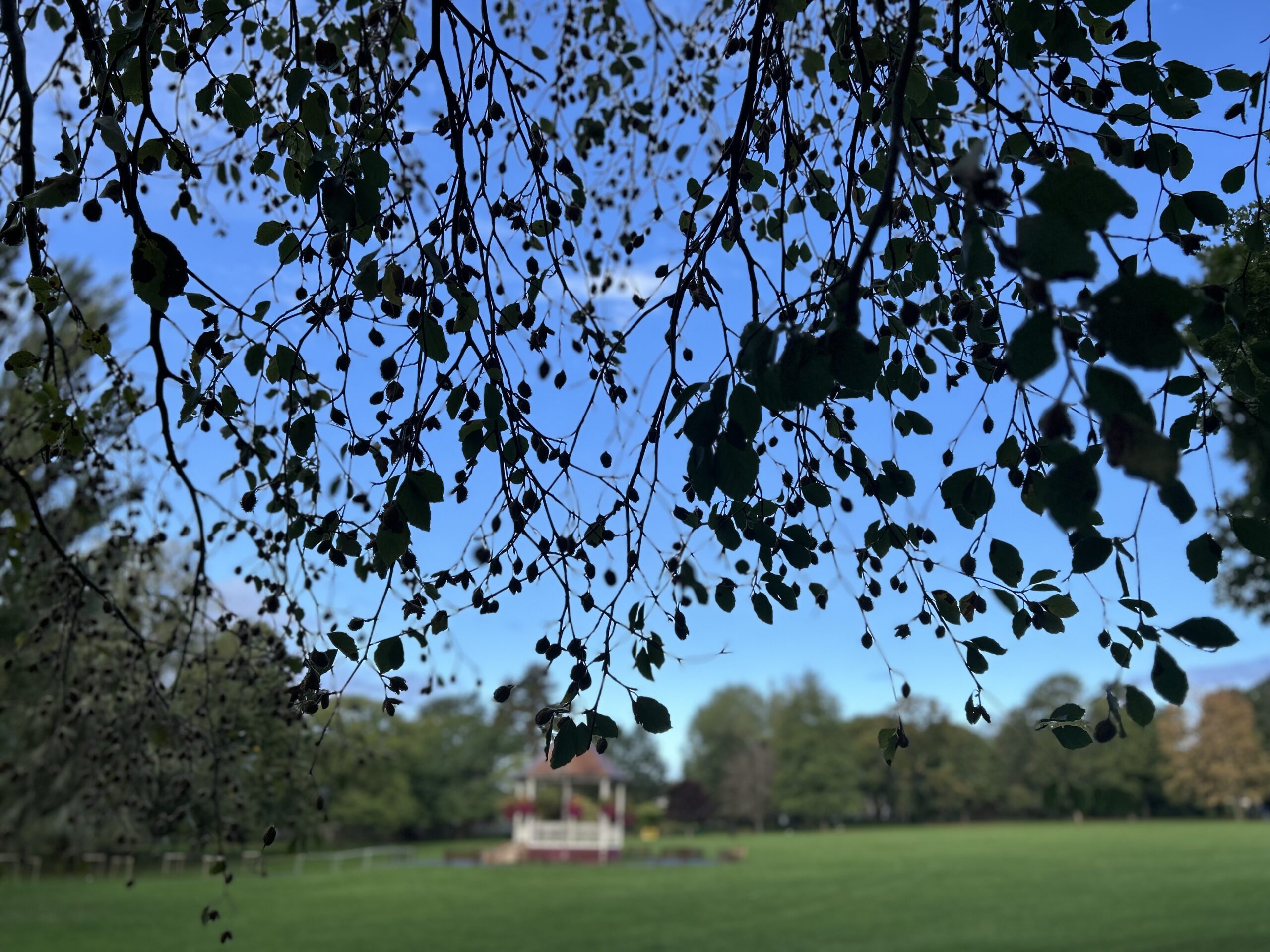
In October 2025, the National Drought Group warned that England must prepare for an ongoing drought in 2026. Although the winter months saw broadly average rainfall, a dry and exceptionally warm spring and summer have drawn comparisons with the summer of 1976.
The impacts of drought and reduced rainfall on trees are numerous. Drought can lead to reduced growth, crown dieback and, in severe cases, tree mortality. Secondary impacts include an increased risk of windthrow, as well as pest and disease outbreaks.
A number of factors can influence how trees respond to drought, including:
Timing
Dry springs may affect the current year’s growth, while late summer droughts may have a greater impact on growth in the following season.
2025 and 2026 were both very dry summers, and the cumulative effects may only become apparent in the years ahead.
Soil Conditions
Soil type has a significant impact, as shallow, light-textured and freely draining soils retain less water than deep, heavier soils.
As a result, trees growing on shallow, lighter soils are more susceptible to water stress and the effects of drought.
Tree Species
Drought tolerance varies between species. For example, beech, birch and sycamore are generally more sensitive to drought than hornbeam or native oak species.
Age
Newly planted trees, with their smaller root systems, are particularly vulnerable to drought conditions.
Similarly, older and veteran trees are often more likely to be affected by prolonged periods of drought.
Overall Stand or Group Health
Recovery following drought is closely linked to a tree group’s condition before the drought occurred.
Healthy groups of trees are generally more likely to recover successfully than those already under stress.
There are a number of adaptive measures that Chippenham Town Council is taking to improve the resilience of its tree stock.
Improving Species Diversity and Creating Mixed-Species Groups
Planting a wider variety of species will increase diversity and make the tree stock more resilient. This reduces the risk that a single pest, disease or weather event will have a significant impact across the entire tree population. In addition, ensuring that more than one species can fulfil the role of a ‘keystone’ resource provider helps strengthen the resilience of the wider ecosystem.
A keystone species is one that plays a vital role in maintaining the balance of an ecosystem by providing food, shelter or water that sustains a large number of species, particularly during times of scarcity. The term does not refer to a particular tree species and may mean planting a greater range of non-native trees where appropriate.
Reducing Overcrowding Through Thinning
Thinning is a woodland management technique used to reduce tree density. By reducing competition, the remaining trees gain greater access to light, water and nutrients, improving their condition, form and resilience to a changing climate.
In some cases, this will involve reducing the number of trees within a group in order to improve the overall condition and long-term resilience of the remaining trees.
The Council’s long-term goal is not simply to increase canopy cover by planting more trees, but to manage the trees already in its care more effectively. This approach will help ensure that trees mature successfully and continue to provide lasting benefits for the town, its residents and the environment for generations to come.


Chippenham Town Council
(opens in a new tab)Official Chippenham Town Council Facebook
Monitored: Mon-Thu: 9am - 5pm, Fri 9am - 4:30pm

What does Christmas in Chippenham look like to you? 🎄
We’re looking for local artists to capture the magic of the festive season as part of our Christmas Card Competition.
Your artwork could feature Chippenham’s streets lit up for Christmas, a favourite local scene, the town’s festive celebrations, the people and community that make Christmas special, or your own unique interpretation of the season.
There are no limits to how you bring the theme ‘Chippenham in the Festive Period’ to life.
Could your artwork be chosen for the Mayor’s official Christmas card?
The competition is open to local artists aged 16 and over.
All entries must be received by 1 November 2026. For more information, please visit our website: bit.ly/MayorCC26
Remembrance Sunday - 8 November 2026.
You are invited to join us and gather at the War Memorial as we remember those who have made the ultimate sacrifice. Members of the public are asked to gather opposite the War Memorial.
The public Act of Remembrance is due to start prior to the 2-minute silence at 11am, please arrive at the War Memorial from 10.45am.
If you are a veteran or serving personnel and you wish to pay your respects close to the Memorial, please make yourself known to the Town Council’s event staff who will show you to a specifically reserved area.
The traditional parade down the High Street will take place after the Act of Remembrance.
Have you seen our latest vacancy?
We are continuing to welcome applications for a Groundsperson/Street Operative to join the Environmental Services team.
Full time | £28,608 to £30,023
This role involves working in the parks and open spaces team; the main tasks include seasonal duties, such as grass and hedge cutting, tree work, horticultural and general grounds maintenance. Other duties will consist of tasks relevant to street cleansing, litter collection and bin management.
Reporting to the Head of Environmental Services, the role will support an existing team with an all year around maintenance programme. The role can be physical and challenging working in all weathers, so flexibility is key. A driving licence is required.
The closing date is Tuesday 27 October. For more information and details on how to apply, please visit bit.ly/JobVacancies_