

Future-proofing Stanley Park Sports Ground
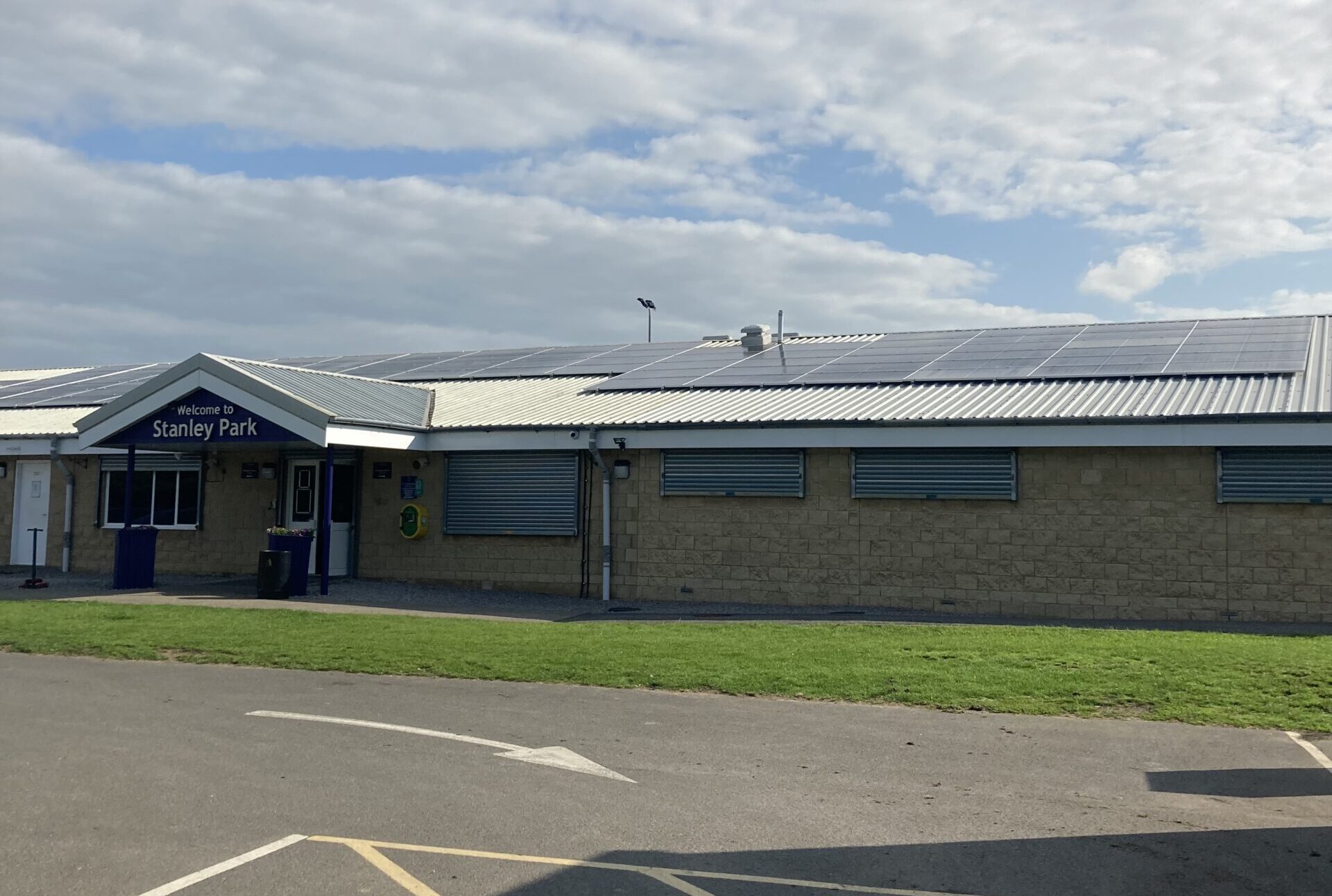
As part of our commitment to becoming a net zero carbon organisation by 2030, we’ve been looking at how we can move away from gas heating and become more energy efficient. We started with an audit of our buildings to understand the main sources of carbon emissions from our heating systems and to find out how we can improve our energy usage. Stanley Park, which relied on Liquified Petroleum Gas (LPG) for its heating and hot water, was chosen for the first stage of our decarbonisation project.
The monthly deliveries of LPG at Stanley Park have been replaced with Air Source Heat Pumps (ASHP) to provide a clean source of heating and hot water. ASHPs work a bit like a refrigerator in reverse. They use electricity to take heat from the outside and use a compressor to convert it into heating and hot water in buildings. Research has shown that heat pumps are more efficient than gas boilers, even in cold weather, as every unit of energy provides about 3 units of heat. In fact, countries with cold climates like Norway, Sweden and Finland have the highest number of heat pumps in Europe. Replacing the old LPG systems also means that our bills are less vulnerable to volatile gas prices.
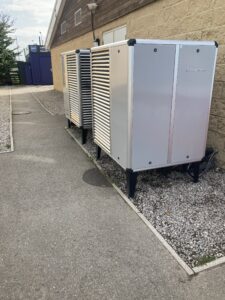
The electrical systems of heat pumps have very few moving parts which means they are safer and generally require less maintenance compared to traditional boilers which rely on combustion. As long as heat pumps are looked after they should last for 20 years or more providing greater long-term savings on energy efficiency.
One of the main sources of carbon emissions in the UK comes from energy and heating. The new heat pump system at Stanley Park is estimated to save about 75% or over 15,000kg of carbon dioxide emissions per year.
At the same time, we’ve invested in the installation of 88 solar panels on the roof to generate our own source of clean, renewable energy. The panels are predicted to generate ~34000kWh per year. The solar panels will reduce our carbon emissions even more as well as help to power our ASHPs and save money.
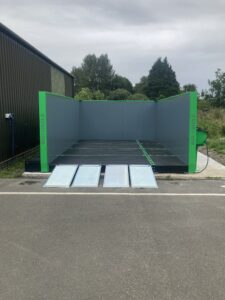
We’ve also been considering our environmental impacts and water use at Stanley Park. We’ve recently installed a recyclable wash down pad. This is an ecological, flexible cleaning system for ground care equipment which enables us to maintain our machinery and vehicles without risking any fluids escaping to pollute the soil or contaminate the drains. The water that’s used for cleaning the equipment is all recycled. We’ve also had a water audit from Wessex Water which checked the bathrooms for leaky fixtures and repaired them. As a result, we’ve now saved about 43,000 litres a day, reducing both our water bills and their carbon emissions.
These building improvements at Stanley Park are a long-term investment in our estates. They will save money over time and help contribute to a cleaner, greener future in Chippenham.


Chippenham Town Council
Official Chippenham Town Council Facebook
Monitored: Mon-Thu: 9am - 5pm, Fri 9am - 4:30pm

Due to the hosepipe ban from Wessex Water, we have reviewed our services to identify where we can reduce our water consumption to help in the preservation of water.
The Splashpad operates using mains water, which is collected, stored in tanks and then recycled by the Environmental Services team.
To help conserve water, the Splashpad will operate on reduced weekday hours from Monday 24 August:
Monday - Friday: 11.30am - 3.30pm
Tuesday SEND Session: 10.30am - 11.30am
Weekends: No change, open 10am - 6pm
We appreciate your understanding as we all play our part in helping to conserve water, as we do our best to keep services running for the residents and visitors of Chippenham.
📻 We're delighted that our exhibition, "Wiltshire & the World: John Aubrey and the Quest for Knowledge", is being featured on the Ben Prater Morning Show on BBC Wiltshire all this week.
Tune in to hear historian Louise Ryland-Epton explore the remarkable life and achievements of John Aubrey, one of Wiltshire's most fascinating historical figures, 400 years after his birth in Easton Piercy. Today's link ⬇️
www.bbc.co.uk/sounds/play/m003014q (At 1.48.43)
Why not make time to visit the exhibition and discover Aubrey's extraordinary quest for knowledge for yourself?
📍 Open daily, 10.00am – 4.00pm
🎟️ FREE entry
🚪 Closed Sundays
We look forward to welcoming you!
📷 Jack Owen Ice House Design / Bath
Chippenham Town Council Wiltshire History Chippenham - Our History One Chippenham Chippenham Local History Friends of Chippenham Museum
#JohnAubrey #WiltshireHistory #MuseumExhibition #BBCWiltshire #Heritage #WiltshireAndTheWorld
We have reduced our carbon emissions from our activities and services by 28.7% since 2019, according to our latest appraisal, covering 2024–2025.
Since we began measuring our emissions, we have made a number of changes to reduce our impact on the environment. These include replacing the LPG heating at Stanley Park with a heat pump and solar panels, switching to renewable energy suppliers, installing more energy-efficient heating and lighting, improving insulation in our buildings, and beginning the transition to electric vehicles and HVO fuel.
These measures form part of our Climate Action Plan, which sets out how we will achieve our commitment to become a net carbon zero organisation by 2030.
There is more work to do. Our next assessment will include further reductions from replacing gas heating at the Town Hall and Neeld Community & Arts Centre with heat pumps, helping us to remove fossil fuel heating from our buildings.
We will continue to look for practical ways to reduce our carbon emissions and make our services and buildings more sustainable.