

Parish News: Museum Volunteer Diane Lakin explores the history of the Parish of Box
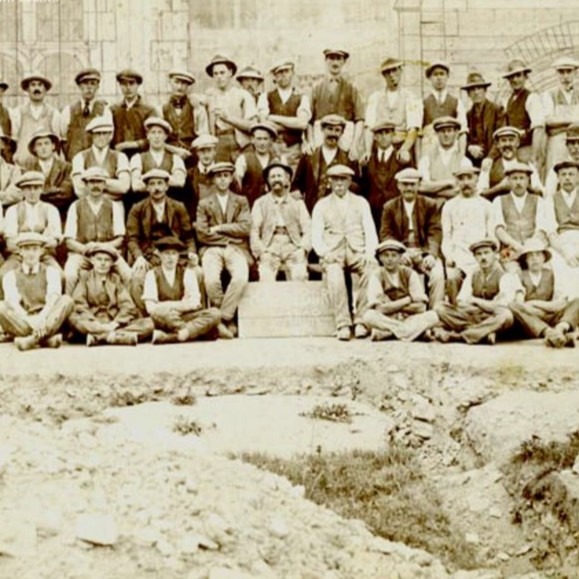
In the second of our Parish News bulletins we focus on the parish of Box incorporating the village of Box and the settlements of Alcombe, Ashley, Box Hill, Chapel Plaister, Ditteridge, Hazelbury, Kingsdown, Middle Hill, Neston, Rudloe and Wadswick. The name Box is thought to originate from the Old English, ‘box-tree’. John Aubrey, the 17th century Wiltshire antiquary and biographer, suggests the name likely came from the box trees which were ‘now worne-out’.
Archaeological finds indicate that there has been human habitation in the area since the Mesolithic period. Hazelbury (‘Haseberie’) and Ditteridge (‘Digeric’) are mentioned in the Domesday Book of 1086. Hazelbury was of significant size, boasting 25 households together with a church, ploughland, and two mills. A plentiful water supply from nearby springs and the By Brook doubtless made Box a convenient area to settle.
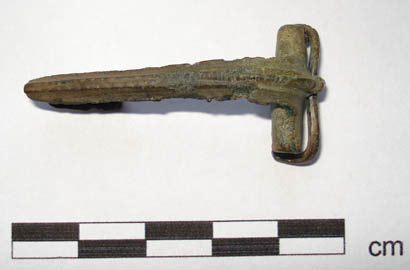
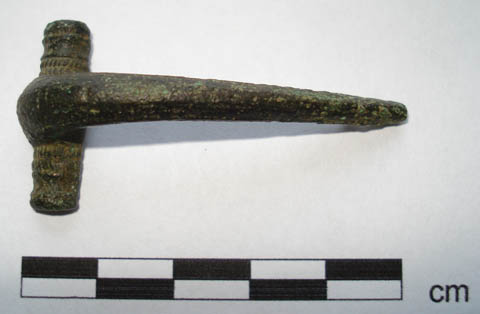
Finds at Hazelbury, Ditteridge, and Box indicate a Roman presence in the area. In the 19th century a large Roman villa with at least 40 rooms was found in the centre of Box, suggesting that by the middle of the 4th century this site may have been the largest known villa complex in the area. Very little of the villa is visible today, most of it lying underneath the churchyard of St Thomas à Becket and the nearby house, The Wilderness. The Romans used local limestone almost certainly quarried from Box Hill to build the villa.
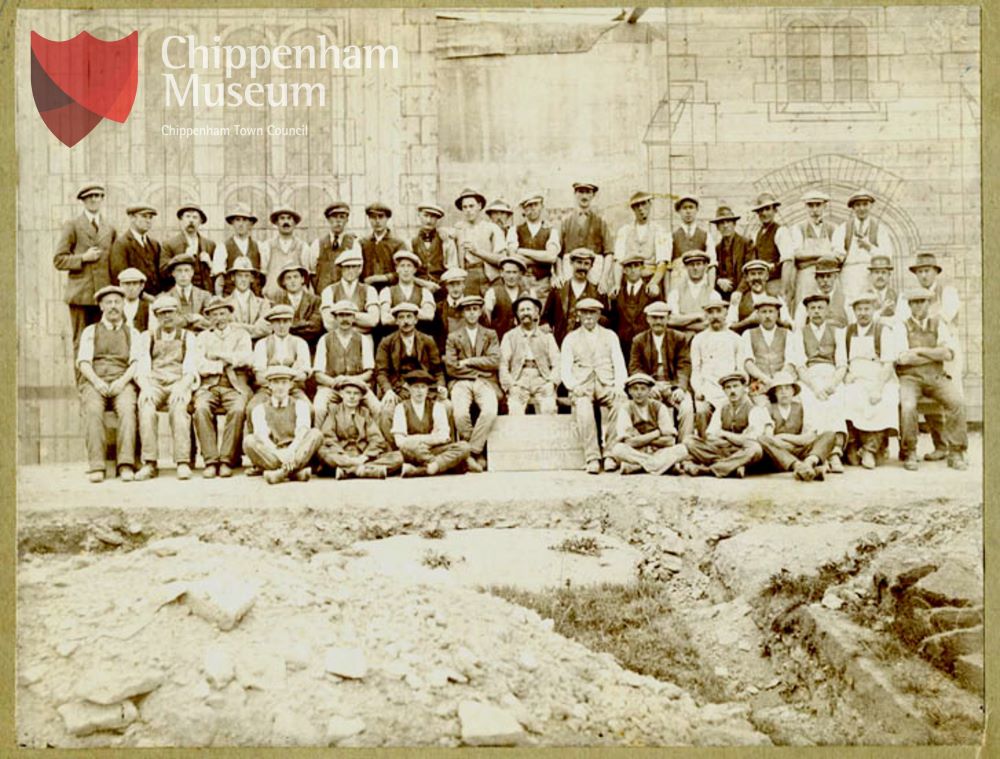
Legend has it that St Aldhelm was passing through Hazelbury in the early 8th century and threw down his glove, stating that where it landed treasure would be found. That ‘treasure’ was the rich supply of Bath stone used in the construction of the nearby monastic buildings of Stanley Abbey, Lacock Abbey, and Malmesbury Abbey as well as the country houses of Great Chalfield Manor and Longleat House. In 1921, local Bath stone was used in a major restoration of the 14th century Hazelbury Manor by architect Harold Brakspear.
Box was one of only a handful of places in Wiltshire fashionable enough to be considered a Spa town, although due to its proximity to Bath taking of the waters there was short-lived. Two wells which formed the Spa at Middle Hill were dug in 1783, one of which had a pump room and boarding house, but by 1814 it had fallen out of use.
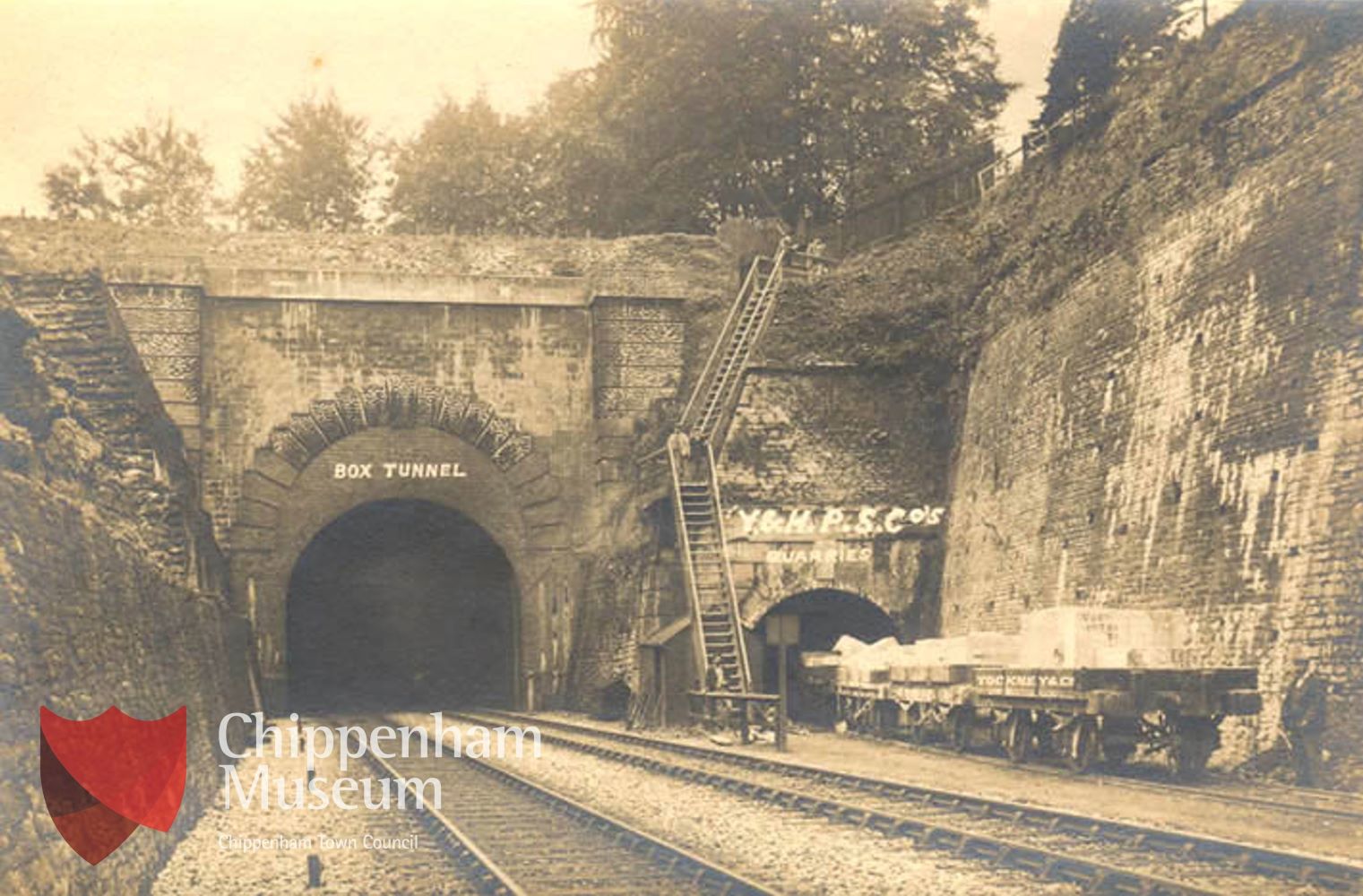
Box is probably best known for its tunnel, engineered by Isambard Kingdom Brunel, completed in June 1841. The opening of the railway and the building of Box Tunnel revitalised the quarrying of stone in Box. The excavation of the tunnel revealed the extent of the deposits under Box Hill offering local employment opportunities. At the time of its completion Box Tunnel was the longest in the world at 1.83 miles. A local anecdote suggests that the candle factory on Quarry Hill produced a ton of candles a week to light Box Tunnel during its construction.
The plentiful supply of water in the area also encouraged the brewing of beer, the manufacture of lemonade, and the bottling of mineral water, known as Milsom’s Aerated Products. Quarrying and building the railways was thirsty work and local householders brewed beer to cater for them. The Post Office Directory of Wiltshire for 1855 lists several private householders working as brewers, maltsters, and beer retailers. There were many public houses in the area also brewing their own beer.
Box Tunnel and the railway was also the inspiration for the children’s stories of Rev. Wilbert Awdry, who as a child lived at Journey’s End, some 200 yards from the entrance to Box Tunnel. Listening to the freight trains puffing and panting up the long, steep gradient to Box Tunnel gave him the idea of conversations between steam trains. Later these inspired his books featuring the much-loved character of Thomas the Tank Engine.


Chippenham Town Council
Official Chippenham Town Council Facebook
Monitored: Mon-Thu: 9am - 5pm, Fri 9am - 4:30pm

📻 We're delighted that our exhibition, "Wiltshire & the World: John Aubrey and the Quest for Knowledge", is being featured on the Ben Prater Morning Show on BBC Wiltshire all this week.
Tune in to hear historian Louise Ryland-Epton explore the remarkable life and achievements of John Aubrey, one of Wiltshire's most fascinating historical figures, 400 years after his birth in Easton Piercy. Today's link ⬇️
www.bbc.co.uk/sounds/play/m003014q (At 1.48.43)
Why not make time to visit the exhibition and discover Aubrey's extraordinary quest for knowledge for yourself?
📍 Open daily, 10.00am – 4.00pm
🎟️ FREE entry
🚪 Closed Sundays
We look forward to welcoming you!
📷 Jack Owen Ice House Design / Bath
Chippenham Town Council Wiltshire History Chippenham - Our History One Chippenham Chippenham Local History Friends of Chippenham Museum
#JohnAubrey #WiltshireHistory #MuseumExhibition #BBCWiltshire #Heritage #WiltshireAndTheWorld
We have reduced our carbon emissions from our activities and services by 28.7% since 2019, according to our latest appraisal, covering 2024–2025.
Since we began measuring our emissions, we have made a number of changes to reduce our impact on the environment. These include replacing the LPG heating at Stanley Park with a heat pump and solar panels, switching to renewable energy suppliers, installing more energy-efficient heating and lighting, improving insulation in our buildings, and beginning the transition to electric vehicles and HVO fuel.
These measures form part of our Climate Action Plan, which sets out how we will achieve our commitment to become a net carbon zero organisation by 2030.
There is more work to do. Our next assessment will include further reductions from replacing gas heating at the Town Hall and Neeld Community & Arts Centre with heat pumps, helping us to remove fossil fuel heating from our buildings.
We will continue to look for practical ways to reduce our carbon emissions and make our services and buildings more sustainable.
To celebrate Swindon & Wiltshire Pride, we are flying the progress flag from the Town Hall.
For information on what celebrations are taking place this weekend, please visit
Swindon & Wiltshire Pride 2026 - 15 August 2026
www.swindonwiltshirepride.org.uk
Find out more about this years event on our website!